Which local AI can you actually run?
Tell it what machine you have, what you work with and how sensitive that work is. It answers with measurements: what fits, how much context you can afford, how long you will wait, and whether keeping it local is the right call at all.
See the machines before you read the numbers
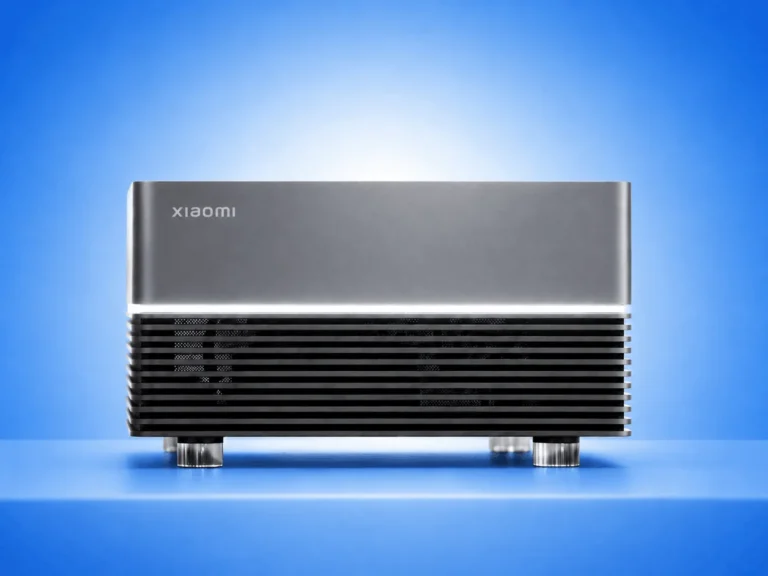 Prototype5Xiaomi AI Cube, 80 GB — engineering prototype80 GB
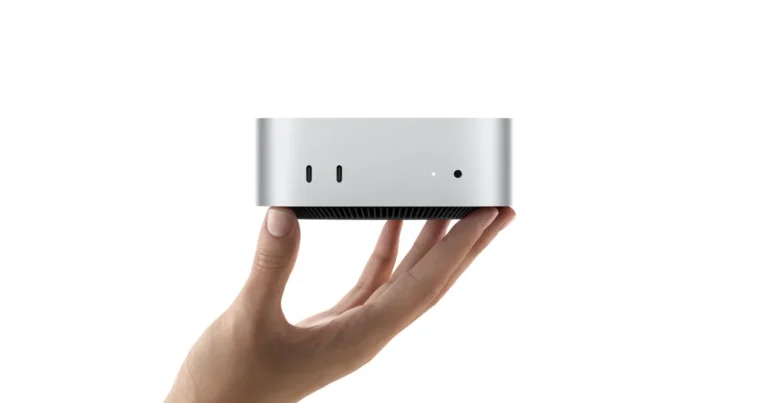 4Mac mini with M6 and 32 GB32 GB
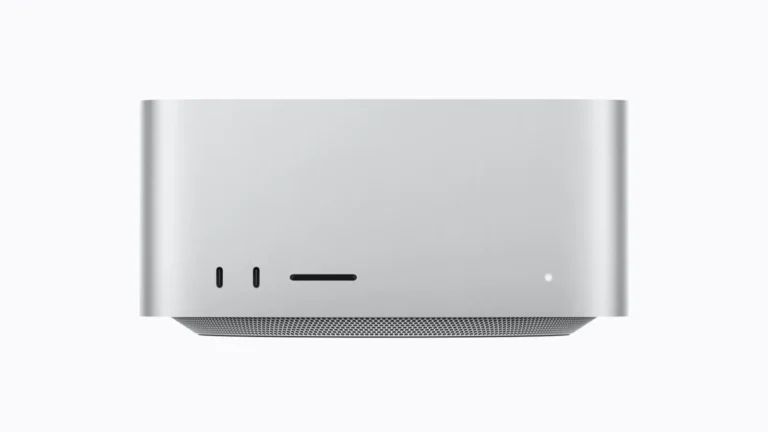 3Mac Studio with M5 Max and 128 GB128 GB3Mac mini with M5 Pro and 64 GB64 GB4Mac Studio with M5 Ultra and 512 GB512 GB3Mac mini with M6 and 16 GB16 GB
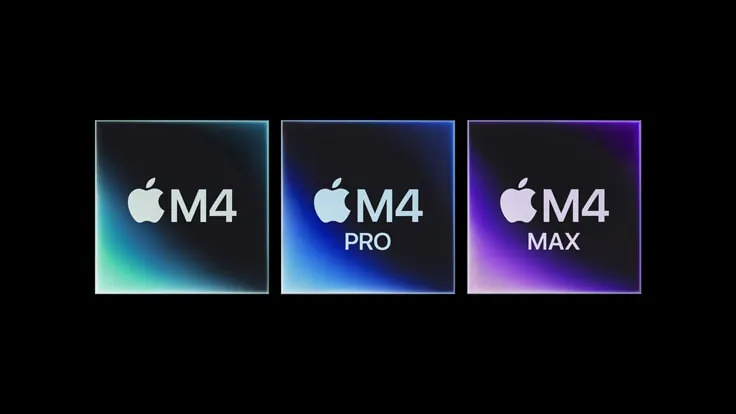 3Mac with M4 Max and 64 GB64 GB
 2Mac with M4 Pro and 24 GB24 GB
Three numbers that no VRAM calculator shows you
Each one is reproducible from the published method, and each one changes a decision somebody is about to make.
How much the generic VRAM formula overestimates the memory of a 2026 model at 32k context. Most calculators still use it, so they tell people something does not fit when it does.
Measured by Local AI ScopeWhat the same document costs in German versus English, in tokens, with the Qwen3 family. You pay for tokens in context, in memory and in your cloud bill.
Measured by Local AI ScopeOf 640 tested situations where changing only the language changes the amount of context you must reserve. In 14.4% it changes the recommended model outright.
Measured by Local AI ScopeLocal AI, on video
The videos live on YouTube, and nothing loads from there until you press play (no-cookie mode). The thumbnail is served by us.
Five ways in, depending on what you already know
Every one of them ends in a sheet with its measurements and its date, not in a signup form.
Tell it your machine and it answers with measurements
Your GPU or your Mac, the kind of work, how sensitive the data is and the language you write in. It returns what fits, at how much context, how long the first word takes and whether local is the right call at all. No email, no account, nothing leaves your browser.
18 machine profiles · 26 models · 4 languagesModelsEvery model sized from the real published files
Not parameters multiplied by bits: the actual file the author published, plus the context memory computed layer by layer.
1.03 → 433.83 GiBHardware18 machines, and what is really left over
How much memory survives once the system takes its share, and which models fit in the rest — with the two lists, the ones that fit and the ones that do not.
7.20 → 509.00 GiB leftRuntimes5 programs, read in their own source code
Telemetry out of the box, who else they call home to, which address they listen on, and whether anyone outside the company can check it.
4 of 5 auditableGuidesThe long answers, with the arithmetic shown
Why the usual formula overstates the cache, what a token costs in your language, and which card is worth the money.
Method shown, step by stepWhere every number comes from
Each model’s size is that of the real file published by its author. Context memory is calculated from the attention pattern declared layer by layer in the official configuration, not from the generic formula: in gemma-4-12B at 32k, that formula gives 12.00 GiB where the real memory is 0.81 GiB. The cost of each language is measured by running every model’s own tokenizer over a parallel corpus — the same content in all four languages.
What is not measured yet: whether a model writes better in French or German. That requires running and evaluating them, and until that measurement exists this tool does not claim it. Speeds are estimates from manufacturer specifications; they never decide whether something fits.
What people ask before they trust a number here
Why does your calculator say a model fits when others say it does not?
Because the context cache is computed from the attention pattern each model declares layer by layer, not from the textbook formula. gemma4-12b declares 48 layers and only 8 of them are full attention, each with a single key-value head; the other 40 slide over 1024 tokens and never hold more. At 32k that is 0.81 GiB of real cache against the 12.00 GiB the generic formula returns.
Does the language I work in really change which model I should run?
Yes, and it is measured, not argued. The same 12,000-word contract costs ×1.62 more tokens in German than in English with the Qwen3 family. In 30.6 % of the 640 situations we tested, changing only the language changes the amount of context you have to reserve; in 14.4 % it changes the recommended model outright.
Do you know whether a model writes better in French or in German?
No, and this site does not claim it. Measuring answer quality per language means running and evaluating the models, which we have not done. What is measured here is what a language costs in tokens — and tokens are what you pay for in context, in memory and in a cloud bill. Anything about quality would be an opinion wearing a number.
Does anything I type into the tool leave my browser?
No. The Model Finder computes everything locally from a dataset the page has already downloaded. There is no account, no email field and no request carrying your answers. The two typefaces are self-hosted for the same reason: nothing on this page asks a third party for anything.
Find out what your own machine can run
18 machine profiles, 26 models, 4 languages. It answers in your browser and tells you where each number came from.
Find a setup for my machine